Real cost of garden maintenance Westminster vs Kensington
If you are comparing the Real cost of garden maintenance Westminster vs Kensington, you are probably trying to do two things at once: keep the garden looking sharp and avoid paying over the odds. Fair enough. In London, especially in central districts, garden work can look deceptively simple from the outside and then turn into a very different job once you factor in access, parking, plant density, waste removal, and how often the space actually needs attention.
Westminster and Kensington are both premium postcodes in practice, but they do not always behave the same way. A small courtyard behind a terrace, a roof terrace with planters, or a larger private garden with mature hedging can all change the labour time and the final quote. This guide breaks down what drives the real price, where the hidden costs usually sit, and how to judge value rather than just chase the lowest number. If you want the broader service picture first, it can help to look at the services overview and the team's approach to pricing and quotes.
Let's face it: garden maintenance is one of those jobs where "same size, same price" rarely holds up. The difference is usually in the detail. And the detail, annoyingly, is where the money goes.
Table of Contents
- Why Real cost of garden maintenance Westminster vs Kensington Matters
- How Real cost of garden maintenance Westminster vs Kensington Works
- Key Benefits and Practical Advantages
- Who This Is For and When It Makes Sense
- Step-by-Step Guidance
- Expert Tips for Better Results
- Common Mistakes to Avoid
- Tools, Resources and Recommendations
- Law, Compliance, Standards, or Best Practice
- Options, Methods, or Comparison Table
- Case Study or Real-World Example
- Practical Checklist
- Conclusion
- Frequently Asked Questions
Why Real cost of garden maintenance Westminster vs Kensington Matters
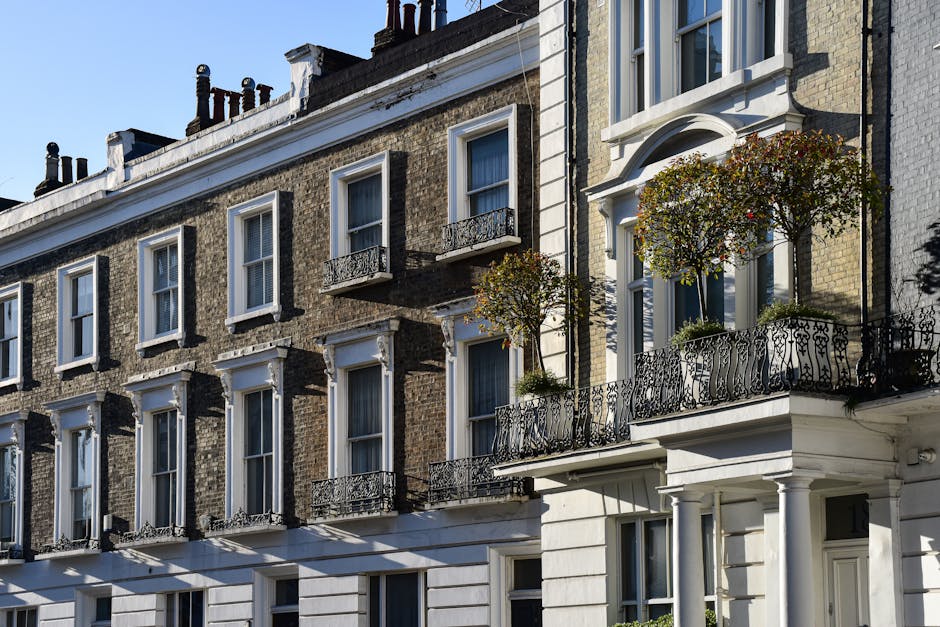
The cost difference between Westminster and Kensington is not just about postcode prestige. It is about how the work is delivered in real life. A garden in Westminster might be compact, tightly accessed, and surrounded by flats or mews properties, while a Kensington garden could involve more established planting, more frequent presentation standards, and a stronger expectation of finish. Both can be expensive in different ways.
Why does that matter? Because the cheapest quote often ignores the bits that take time: carrying tools through a building, moving waste without easy vehicle access, trimming hedges that have gone a bit wild after a wet month, or working around delicate surfaces like stone paving and decking. The quote that looks tidy on paper can become awkward on the day. Usually after tea. Of course.
For homeowners, managing agents, and landlords, understanding the real cost helps you budget properly and compare like with like. It also helps you spot when a quote is too thin to be realistic. A garden that needs regular garden maintenance is not the same as a one-off tidy-up after a long gap. Nor is it the same as a deeper reset involving garden clearance.
Expert summary: The real price of maintenance is driven less by postcode alone and more by access, frequency, garden condition, waste handling, and the mix of tasks needed to keep the space presentable.
How Real cost of garden maintenance Westminster vs Kensington Works
Garden maintenance pricing in central London usually falls into one of three patterns: hourly rates, fixed visit pricing, or scheduled maintenance agreements. Each has its place, and each can suit a different type of garden.
1. Hourly pricing
Hourly pricing works best when the scope is uncertain or the garden is in mixed condition. For example, if the space needs clipping, sweeping, border tidying, light weeding, and then a decision on whether waste can be bagged or must be removed, hourly pricing can be fairer than pretending the whole job can be guessed in advance.
2. Fixed visit pricing
This is more common for repeat work. A weekly or fortnightly visit to mow, edge, weed lightly, and keep things under control can often be priced more predictably. If you already know the garden's rhythm, this is usually the simplest route. For lawns, many customers combine this with dedicated lawn mowing rather than treating mowing as just one tiny line in a broader maintenance visit.
3. Scheduled maintenance plans
These are best for gardens that need a planned cycle: spring growth, summer trimming, autumn leaf management, winter cleanup. A maintenance plan spreads the effort through the year, which can reduce the panic factor. And yes, the panic factor is real. It usually arrives when the garden has been ignored for six weeks and suddenly looks like it has opinions.
The real cost also depends on what else is bundled in. For example, hedge work, tree work, and surface cleaning can sit outside basic maintenance if they require specialist tools or extra safety controls. A tidy hedge line may be handled under hedge trimming, while anything involving height, larger branches, or overgrown canopies may need tree lopping and removal. That separation matters because these are not interchangeable tasks.
Waste disposal is another piece people underestimate. If cuttings, bags of weeds, soil, branches, or old planting need to leave the property, the quote should reflect labour and recycling handling. A provider with a stated focus on recycling and sustainability will usually explain how green waste is managed, which is a nice sign that the price is grounded in actual process rather than guesswork.
Key Benefits and Practical Advantages
There is more to getting the pricing right than saving a few pounds. The right maintenance structure can make a garden easier to live with, easier to budget for, and less likely to need expensive catch-up work later.
- Predictable budgeting: Repeat visits are easier to plan than ad hoc callouts.
- Better presentation: Regular maintenance keeps gardens looking cared for, especially where visual standards matter.
- Less corrective work: Small, frequent jobs reduce the need for heavy clearance or major cuts.
- Lower risk of damage: Careful routine work is gentler on plants, surfaces, and structures.
- Cleaner outcomes: Proper waste handling and tidying make a big difference to the final finish.
In Westminster, that can mean a smarter way to manage a compact courtyard or front garden that is always visible. In Kensington, it may be about preserving established planting and keeping a more substantial outdoor space in neat condition. Either way, the cost is easier to justify when the outcome is a space you actually use rather than one you just keep meaning to sort out.
If the garden includes timber features, raised beds, or a tired seating area, the value picture changes again. That is where adjacent services such as decking services or broader landscaping may come into the conversation, especially if the maintenance issue is partly structural rather than purely horticultural.
Who This Is For and When It Makes Sense
This topic matters for a few different types of clients, and each one looks at cost a little differently.
Homeowners
If you live in Westminster or Kensington and want the garden to look respectable without spending every weekend on it, a maintenance schedule is usually the sensible choice. The actual spend can feel higher in London than elsewhere, but that is partly because you are paying for time, access, and convenience in a dense urban environment.
Landlords and letting agents
Rental properties need consistent presentation. A garden that is slightly neglected can drag down the feel of an otherwise decent property. For short lets or furnished rentals, this is even more obvious. A tidy exterior can make the whole property feel better cared for before anyone steps inside.
Managing agents
Communal and semi-private gardens often need a schedule rather than a one-off fix. The main risk here is not just price; it is inconsistency. One contractor turns up with a clear process, another improvises, and suddenly the grounds look patchy. Nobody wants that conversation.
Busy professionals and older residents
Some clients simply do not have the time, mobility, or energy to handle regular upkeep. In those cases, the real cost is measured against the time and physical effort saved. That is often the part people forget to count.
It makes sense to compare costs when the garden is starting to look uneven, when spring growth kicks in, after a long dry spell, or when you are preparing for guests, photos, a sale, or a tenancy handover. Truth be told, most people call at one of those moments.
Step-by-Step Guidance
Here is a practical way to estimate the real cost without guessing wildly.
- Measure the scope honestly. Note lawn size, number of beds, hedge length, tree presence, waste volume, and access issues.
- Separate routine work from one-off work. Routine tasks include mowing, edging, light weeding, and tidying. One-off tasks include clearance, pruning, and deep resets.
- Check access before the quote. Can tools be brought in easily? Is there rear access? Is waste easy to remove?
- Decide how often the garden needs attention. Weekly, fortnightly, monthly, or seasonally. Frequency changes the labour profile more than people think.
- Ask what is included. Mowing, blowing, sweeping, pruning, waste removal, and bin loading should be clear.
- Clarify exclusions. Some jobs need specialist treatment, especially tree work or structural garden changes.
- Compare value, not just price. The cheapest visit may leave out tidying, disposal, or the second pass that makes the space look finished.
One simple trick: walk the garden as if you were handing it over to someone who has never seen it before. If you notice dead edges, tangled shrubs, slippery paving, or cuttings piling up, those are not "minor issues." Those are the bits that eat time. And time, in central London, is never just time.
Expert Tips for Better Results
A few small choices can make a big difference to the final bill and the quality of the work.
- Keep maintenance regular. Gardens left too long between visits are more expensive to bring back under control.
- Bundle related tasks. If the team is already on site, it can be more efficient to handle mowing, hedge trimming, and a light tidy in one visit.
- Be realistic about seasonality. Spring and early summer usually demand more labour. Autumn does too, once leaf fall gets going.
- Use photos for quoting. A few honest images can reduce surprises and help the contractor price accurately.
- Protect surfaces. If you have decking, porcelain, or delicate paving, ask how the team avoids scuffs, stains, or debris build-up.
Another practical point: if the garden has a mix of ornamental planting and harder landscaping, maintenance needs to be more careful. A good team will treat it that way instead of charging one generic price and hoping for the best. That sort of thing sounds efficient until it isn't.
If you are comparing providers, it can help to review the company's approach to who they are and how they work, plus policies such as insurance and safety and health and safety. Those pages are not glamorous, but they do matter when someone is operating tools around homes, paths, steps, and planting beds.
Common Mistakes to Avoid
People often make the same few mistakes when trying to compare Westminster and Kensington garden pricing.
- Comparing quotes with different scopes. One includes waste, one does not. One includes hedge work, one does not. That is not a fair comparison.
- Ignoring access charges. Tight access, no parking, or long carrying distances can all add time.
- Leaving the garden too long. Neglect rarely saves money. It usually moves the cost from maintenance into restoration.
- Assuming all pruning is the same. Light shaping is not the same as heavy reduction or tree removal.
- Forgetting seasonal growth. What feels manageable in March can become a different animal by June.
- Choosing a price without checking process. If a quote is vague, the job often becomes vague too. Not ideal.
There is also a subtle mistake people make: they assume a garden that "does not look that bad" must be cheap to maintain. Often the opposite is true. Tidy gardens in central London are maintained because someone has already been doing the small, boring jobs before they became large, expensive ones.
Tools, Resources and Recommendations
For a homeowner or property manager, the most useful resources are not fancy. They are practical.
- Photos of the garden after a full tidy: Useful for comparing future quotes and spotting decline.
- Simple visit log: Note when mowing, hedge trimming, clearance, or planting work was last done.
- Seasonal reminder list: Spring growth, summer watering, autumn leaf build-up, winter pruning checks.
- Clear instructions for access: Gate codes, entry points, storage locations, and waste arrangements.
- Service history: Especially useful if the garden has had recent landscaping or decking changes.
When maintenance starts to overlap with a bigger redesign, it may be worth exploring landscape gardening or broader changes under landscaping. That can sound like a bigger step, but in some gardens it is the more economical option over time. If a space is awkwardly laid out, no amount of trimming will make it easy to maintain. It's a bit like polishing the wrong shoes.
For larger overgrowth, accumulated waste, or a garden that has slipped badly, a targeted garden clearance visit can reset the site before normal maintenance begins. That is often the cleanest way to get back to a sensible routine.
Law, Compliance, Standards, or Best Practice
Garden maintenance is not usually a heavily regulated service in the way some trades are, but that does not mean standards are optional. In practice, good providers work with sensible UK expectations around safety, waste handling, property care, and lawful working methods.
Best practice usually includes:
- Safe use of tools and equipment around paths, children, pets, and fragile surfaces.
- Appropriate insurance for work on domestic or managed properties.
- Clear agreement on waste removal and recycling expectations.
- Respect for access, privacy, and property boundaries.
- Transparent pricing terms so customers know what they are paying for.
If tree work is involved, the risk profile changes. Larger branches, unstable limbs, and access issues can make a job materially different from basic garden upkeep. That is where a contractor should be especially careful, and where the customer should be especially cautious about bargain pricing. Safety first, always. No one wants a rush job near a fence line or a neighbour's glass roof.
For service terms, payment expectations, and customer responsibilities, it helps to read the provider's terms and conditions and payment and security information before work begins. That is not paranoia; that is just sensible house-keeping.
Options, Methods, or Comparison Table
Below is a simple comparison to help you judge which type of maintenance usually suits Westminster or Kensington gardens best. The postcode alone is not the whole story, but it does shape the kind of garden work people often need.
| Factor | Westminster: typical pattern | Kensington: typical pattern | Cost impact |
|---|---|---|---|
| Access | Often tighter, with mews, courtyards, or limited parking | Can vary, but often with more established residential gardens | Tight access usually increases labour time |
| Garden size | Frequently smaller, but not always simple | May include larger planted areas or more layered design | Size affects time, but complexity matters too |
| Work type | Regular tidying, mowing, pruning, waste removal | Regular care plus more detailed plant and edge management | More specialist tasks mean a higher quote |
| Presentation standard | High visual standard, especially for front-facing spaces | High standard, often with emphasis on finish and continuity | Higher expectations can mean more frequent visits |
| Best approach | Short, regular maintenance cycles | Planned maintenance with seasonal attention | Routine care is usually cheaper than rescue work |
In plain English: Westminster often rewards efficiency and tight scheduling, while Kensington often rewards consistency and a more layered care plan. But there are plenty of exceptions. A very small Kensington garden can be straightforward, and a Westminster courtyard can be a fiddly little beast if access is awkward and waste has to be carried through a building.
Case Study or Real-World Example
Here is a realistic example, without pretending it is a magic formula.
A homeowner with a modest central London garden asks for maintenance after the space has been left for several weeks. The lawn needs a cut, edges are soft, a hedge has pushed out, and there is a build-up of clippings and leaf debris. On first glance, the garden looks manageable. In person, it turns out the rear access is narrow, the waste bags must be carried by hand, and there is a small deck that needs careful sweeping so it does not end up slick underfoot.
The first visit takes longer than expected. After that, the owner agrees to a regular schedule: mowing, edging, light pruning, and seasonal hedge trimming. The second and third visits are smoother, quicker, and easier to budget for. That is the important bit. The real cost falls once the garden is back under control and the work becomes maintenance again rather than rescue.
In another case, a Kensington property with mature planting required attention to hedges, borders, and a few climbing plants that were beginning to encroach on a fence and a seating area. The work was not dramatic, but it was detailed. There was a lot of careful cutting, tidying, and sorting through green waste. Nothing flashy. Just the sort of job that looks effortless when it is done well. Which, annoyingly, is the point.
Practical Checklist
Use this checklist before you request quotes or commit to a maintenance plan.
- Have you listed every area of the garden, including side access and front spaces?
- Do you know whether the quote includes waste removal?
- Are mowing, edging, pruning, and hedge work clearly separated?
- Have you checked whether the garden needs clearance or just routine upkeep?
- Is there easy access for equipment and waste bags?
- Have you noted any decking, paving, or delicate surfaces that need protection?
- Do you want a one-off visit or a regular maintenance cycle?
- Have you compared service terms, insurance, and payment conditions?
- Are you expecting a visual tidy or a deeper horticultural reset?
- Have you asked how seasonal growth may affect future visits?
If you can answer those questions, you are already ahead of most people. Honestly, by a fair margin.
Conclusion
The Real cost of garden maintenance Westminster vs Kensington is not fixed by postcode alone. It is shaped by access, scope, frequency, waste handling, garden condition, and how exacting the finish needs to be. Westminster often leans toward compact but access-sensitive jobs; Kensington often leans toward more layered, detail-heavy care. Neither is automatically cheaper. Neither is automatically harder. The truth sits in the specifics.
The best value usually comes from regular maintenance, clear scope, and a contractor who explains what is included before any tools come out. If the garden is slipping, starting with a proper reset can make the ongoing work far easier to manage. If it is already under control, a steady schedule is usually the smarter move.
Get a free quote today and see how much you can save.
And if you are still weighing things up, that's fine. A good garden decision is rarely rushed. It should feel calm, practical, and a little bit satisfying when you finally make it.
Frequently Asked Questions
Is garden maintenance more expensive in Westminster than in Kensington?
Not always. Westminster can be more expensive where access is tight or parking is difficult, while Kensington can cost more where gardens are larger, more detailed, or need more frequent attention. The job itself matters more than the postcode label.
What usually drives the real cost of garden maintenance?
The biggest factors are labour time, access, waste removal, frequency of visits, and the type of work required. Mowing alone is usually simpler than a mix of pruning, edging, hedge trimming, and clearance.
Why do some quotes look cheap at first but end up higher?
Because they may exclude waste disposal, extra labour for access, or tasks that only become clear on the day. A quote can look attractive and still be incomplete. Bit of a trap, that one.
How often should a central London garden be maintained?
It depends on the growth rate and the standard you want. Many gardens benefit from weekly or fortnightly attention in the growing season, then lighter or seasonal visits later in the year.
What is the difference between garden maintenance and garden clearance?
Maintenance keeps a garden under control through regular care. Clearance is more about removing heavy overgrowth, debris, or accumulated waste before routine care can resume. They are related, but not the same.
Does hedge trimming usually cost extra?
Often, yes. Hedge trimming can require more time and different tools than general tidying. If the hedge is tall, dense, or difficult to reach, it usually becomes a separate line in the quote.
Can lawn mowing be included in a general maintenance visit?
Yes, often it can. But dedicated mowing jobs are sometimes priced separately so the provider can be clear about frequency, lawn size, and finishing standards.
How can I compare quotes fairly?
Make sure each quote includes the same tasks, same frequency, same waste handling, and similar access assumptions. If one provider includes more work, it is not really a like-for-like comparison.
What should I ask before booking garden maintenance?
Ask what is included, what is excluded, how waste is handled, whether insurance is in place, and whether the price changes for difficult access or extra tasks. Simple questions, but they save a lot of stress later.
Is it better to book a one-off tidy-up or a regular plan?
If the garden is neglected, a one-off tidy-up may be the right starting point. If the space is already manageable, a regular plan usually gives better value and keeps the cost steadier over time.
Do decking and paving affect garden maintenance costs?
They can. Decking, paving, and other hard surfaces need careful cleaning and protection during garden work. They also affect how quickly debris can be removed and how the final tidy looks.
What is the safest way to handle larger or overgrown gardens?
Start with an honest assessment and use the right service for the job. If the garden needs heavy clearing, tree-related work, or a full refresh, it is better to separate those tasks than force them into a basic maintenance visit.