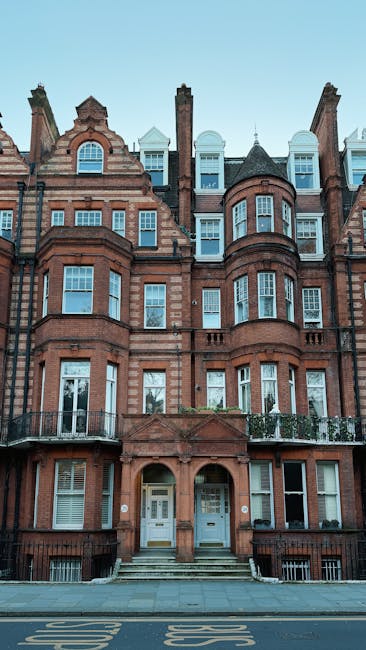
Gardeners for Belgravia Terraces Eaton Square Westminster
If you're looking for Gardeners for Belgravia terraces Eaton Square Westminster, you're probably after more than a basic mow-and-go service. Terrace gardens in this part of London tend to be compact, elegant, and a little unforgiving: limited access, shared boundaries, delicate planting, and neighbours close enough to notice every trimming session. That changes the job completely.
The right gardener keeps a Belgravia terrace looking crisp without making it feel overworked. They understand seasonal planting, container care, clipped hedges, privacy screening, and the small details that make a formal outdoor space feel calm rather than cluttered. In an area like Eaton Square, that balance matters. Truth be told, a terrace can look immaculate at breakfast and tired by Friday if it's not maintained with care.
This guide explains how terrace gardening works in Westminster, what to expect from a professional service, how to judge quality, and where the hidden pitfalls usually show up. You'll also find a practical checklist, comparison table, and a few useful pointers on compliance and safety. If you want to explore the wider service range first, the services overview is a sensible place to start.
Why Gardeners for Belgravia terraces Eaton Square Westminster Matters
Belgravia terraces are not ordinary suburban gardens. They're often narrower, more formal, and closer to the street, with a strong visual emphasis on symmetry, privacy, and restraint. That means maintenance is not just about keeping plants alive. It's about keeping the whole composition sharp, balanced, and respectful of the building's character.
In Westminster, outdoor spaces are also shaped by practical realities. Access may be tight. Waste removal needs planning. Watering can be trickier in south-facing terraces that catch afternoon sun and wind. And if you share a frontage or courtyard wall, then one person's "just a quick tidy-up" can become another person's noisy Tuesday morning. A good local gardener understands all of that instinctively.
There's also a value point that people sometimes overlook. A well-kept terrace can make a property feel much more settled and cared for. Not flashy. Just composed. That matters whether you live there full-time, let the property, or want the garden ready for entertaining. A terrace with clipped box, clean edges, healthy pots, and seasonal colour can do a lot with very little space.
Expert summary: terrace gardening in Belgravia is about precision, discretion, and seasonal judgment. The best results usually come from regular light maintenance rather than occasional heavy intervention.
How Gardeners for Belgravia terraces Eaton Square Westminster Works
A proper terrace gardening service usually begins with a site assessment. That sounds a bit formal, but it's useful. The gardener needs to see how much light the space gets, what the soil or container mix looks like, whether drainage is decent, and how the garden is used day to day. A terrace used for quiet morning coffee needs a different plan from one used for dinner parties and weekly entertaining.
Most services then break the work into manageable tasks: pruning, deadheading, hedge shaping, lawn edging if there is a small lawn, weeding, feeding, container rotation, planting, and cleanup. In compact London gardens, cleanup matters more than people expect. A crisp result can disappear fast if leaves, cut stems, and soil are left behind. It's the details, really.
For many properties near Eaton Square, the most effective arrangement is a recurring maintenance schedule. That might mean weekly visits in the growing season and less frequent visits in winter. The exact pattern depends on the planting design, but the principle is simple: small, consistent care tends to beat dramatic, infrequent rescue work.
If you want to understand how a professional team typically structures these jobs, it helps to review the full range of gardening services and then match them to your own terrace needs. The right fit is usually very specific, not one-size-fits-all.
Key Benefits and Practical Advantages
Hiring a specialist for terrace gardening in Belgravia gives you practical gains that are easy to notice and hard to replace once you've had them. The first is consistency. A terrace looks best when it's maintained on a steady rhythm, not when it bounces between overgrown and freshly cut. That steady rhythm keeps the garden calm.
The second benefit is plant health. Containers dry out quickly, root space is limited, and compact city gardens can get stressed by heat or shade in ways that surprise people. A gardener who understands terrace conditions will spot yellowing leaves, compacted soil, pests, and nutrient issues before they turn into a bigger headache.
The third benefit is presentation. In a place like Westminster, curb appeal is not a vanity metric. It affects how the property feels, how it photographs, and how visitors experience it. A tidy terrace says the home is cared for. Simple as that.
- Better seasonal control: planting is refreshed before the space looks tired.
- Reduced plant loss: watering, feeding, and pruning are timed more carefully.
- Cleaner finishes: edges, paths, and containers stay neat.
- More privacy and structure: hedges, climbers, and screening are managed properly.
- Less stress for you: one reliable schedule beats lots of small emergency fixes.
If cost and value are on your mind, it's worth checking pricing and quotes early. A transparent quote process makes it much easier to compare options without guessing. And let's face it, guessing rarely ends well.
Who This Is For and When It Makes Sense
This kind of service suits homeowners who want their terrace to look maintained without spending weekends bent over pots and secateurs. It also suits landlords, property managers, and busy professionals who need the space to stay presentable between events or tenancies. In Belgravia, that last group is larger than people sometimes assume.
It makes particular sense if your terrace includes any of the following:
- container planting that dries out quickly in warm weather
- climbing plants on walls, trellises, or railings
- formal hedging that needs careful shaping
- small lawns or patchy grass areas that need regular edging
- shady corners where moss, mildew, or sparse growth keeps returning
- front-facing planting that needs to look smart from the street
It's also sensible if you're preparing a property for sale, planning guests, or simply tired of buying plants that look lovely for two weeks and then sigh dramatically. We've all seen that happen. A professional gardener can help you choose plants that suit the light, exposure, and maintenance level you actually want.
If you're deciding whether to book a one-off tidy or a recurring visit, ask yourself one simple question: do I want the garden to be rescued, or do I want it to stay consistently good? That answer usually tells you what type of support makes sense.
Step-by-Step Guidance
Good terrace gardening follows a clear process. It doesn't need to be complicated, but it does need to be deliberate. Here's how a sensible service usually unfolds.
- Assess the space. Look at sun, shade, access, drainage, privacy, and the current condition of plants and hard surfaces.
- Agree the outcome. Decide whether the goal is maintenance, renovation, planting design, or a mix of all three.
- Set the schedule. Weekly, fortnightly, or seasonal visits may suit different spaces. A terrace with fast-growing climbers usually needs more regular attention.
- Prioritise the structure. Hedges, topiary, climbers, and pots often define the whole look, so these usually come first.
- Deal with the details. Weeding, deadheading, feeding, and leaf clearance are the finishing touches that make the space feel complete.
- Review and adjust. If a planting scheme is too thirsty, too shaded, or too exposed, it's better to adapt than keep fighting the same issue.
A practical example: a terrace with shallow planters facing a bright west aspect may need drought-tolerant planting, better mulching, and more frequent watering in summer. The same design on a cooler north-facing side could become sparse or damp if treated exactly the same way. Small differences, big consequences.
For anything involving safety, access, or equipment, it helps to understand the standards behind the work. The health and safety policy and insurance and safety information are worth reviewing if you want reassurance about how proper garden work is managed.
Expert Tips for Better Results
After years of looking at compact urban gardens, one pattern stands out: the best terraces are the ones that work with the space, not against it. That sounds obvious, but people still try to squeeze too many plant types into too little room. Then everything starts competing - light, water, attention, even airflow.
Here are a few practical tips that make a real difference:
- Choose structure first. In small terraces, shape matters more than quantity. One well-kept evergreen framework can do more than six random plants.
- Use containers with purpose. Pots should solve a problem or frame a view, not just fill space because there's an empty corner.
- Mulch where possible. It helps reduce moisture loss and keeps beds looking finished. Not glamorous, but effective.
- Check irrigation habits early. A terrace can look fine in spring and then struggle in a hot spell if watering is left to guesswork.
- Prune lightly and regularly. Heavy cutting often creates uneven regrowth and more work later.
Another small but important point: ask for seasonal planning, not just maintenance. A terrace should evolve across the year. Spring might be all about structure and new growth, summer about hydration and deadheading, autumn about tidying and preparation, and winter about keeping bones and boundaries clean. That rhythm makes the garden easier to live with.
Also, keep an eye on what the garden is telling you. If the leaves are crisping at the edges by midday, or the pots feel oddly light by noon, the space is probably under-watered. If stems are soft and the soil stays wet for days, it may be too damp. Gardens do talk back a bit. Quietly, but clearly.
Common Mistakes to Avoid
Terrace gardens in Belgravia often look simple from the street, which is part of the challenge. Because they appear calm, people assume they're easy to maintain. They're not. The most common mistakes are small, but they add up fast.
- Overplanting: too many pots or species makes the terrace feel crowded and harder to maintain.
- Ignoring drainage: waterlogged containers are a very common reason plants fail.
- Using the wrong plants for the exposure: shade plants in hot sun, sun-lovers in deep shade, and so on.
- Pruning at the wrong time: that can remove flowers, weaken structure, or cause messy regrowth.
- Leaving seasonal jobs too late: once a terrace becomes overgrown, recovery takes longer and costs more.
- Skipping waste planning: green waste, cuttings, and old compost need handling properly.
There's also a quieter mistake: choosing a service only on price. Cheaper can be fine in some cases, but if the team doesn't understand terrace conditions, you may end up paying twice. Once for the visit, then again to fix what got missed. Nobody likes that.
If you're comparing suppliers, ask how they manage payment, deposits, and invoicing too. The payment and security page is useful if you want a clearer sense of how a reputable business handles that side of things.
Tools, Resources and Recommendations
You don't need a shed full of expensive kit for a terrace garden, but the right tools do matter. Precision tools are often better than heavy-duty ones in tight spaces. A compact pruning saw, good secateurs, a lightweight hedge trimmer, watering cans or hose attachments, and quality compost can go a long way.
For many Belgravia terraces, the most useful resources are not dramatic at all. They're practical: a seasonal care calendar, plant labels, irrigation timers, a note of sun patterns across the day, and a simple list of what was planted where. That little notebook becomes surprisingly helpful by late summer when you're wondering why one side of the terrace looks lush and the other side looks grumpy.
Recommendations that tend to work well:
- Choose plants that suit container life: not every shrub likes being confined.
- Keep spare compost and mulch on hand: small top-ups often prevent larger problems.
- Plan for access: if the terrace is awkward to reach, make sure the maintenance routine accounts for it.
- Review the service scope in writing: know what's included and what's not.
If sustainability matters to you, it's worth checking how cuttings and materials are handled. The recycling and sustainability page is a good reference point for environmentally responsible practice. In a city garden, even small choices around waste and materials can add up.
Accessibility can matter too, especially where residents, visitors, or staff need clear, easy site navigation. If you want the business side of the service to be straightforward, the accessibility statement is a useful sign of how thoughtfully a company presents itself.
Law, Compliance, Standards, or Best Practice
Garden maintenance is a practical trade, but it still sits within wider expectations around safety, insurance, waste handling, and responsible working practices. You do not need to become an expert in regulations before booking a gardener, but you should expect sensible standards.
At a minimum, reputable providers should be able to explain how they manage tools, ladders where relevant, trip hazards, fuel or battery equipment, and the safe disposal of waste. They should also be clear about insurance and what happens if accidental damage occurs. That's not being fussy; that's just sensible housekeeping.
It can also be useful to check whether a business has documented policies covering complaints and ethical practices. These pages do not make the garden prettier on their own, of course, but they do indicate whether the company thinks carefully about the way it operates. You can review the complaints procedure and modern slavery statement if you want a fuller picture of those commitments.
Good practice in London garden work usually includes:
- clear communication before arrival
- safe access to private or shared outdoor areas
- responsible use of equipment in close residential settings
- careful handling of green waste and recyclable materials
- respect for neighbours, entrances, and common areas
One more thing: if a terrace garden includes mature trees, walls with climbing plants, or access issues above ground level, the safest option is always to pause and assess rather than rush. Quick and tidy is good. Careless is not.
Options, Methods, or Comparison Table
Not every terrace needs the same type of service. Some want maintenance only. Others need redesign, seasonal refreshes, or a rescue after a busy summer. Here's a simple comparison to make the choices clearer.
| Option | Best for | Typical focus | Watch out for |
|---|---|---|---|
| Regular maintenance | Established terraces that already look good | Pruning, deadheading, weeding, feeding, tidy finishes | Letting minor issues build up between visits |
| Seasonal refresh | Terraces that need a spring or autumn reset | Replanting, soil improvement, structure updates | Choosing plants without checking exposure and water needs |
| One-off tidy-up | Overgrown or neglected spaces | Cutting back, clearing, basic restoration | Expecting instant long-term results without follow-up |
| Design-led improvement | Terraces needing a stronger look or better use of space | Layout, plant selection, focal points, containers | Overcomplicating a small space |
For many Eaton Square terraces, a mixed model works best: regular maintenance plus a seasonal refresh. That combination keeps the space looking composed without constant major intervention. It's a bit like tailoring a jacket properly; small adjustments make the whole thing sit better.
Case Study or Real-World Example
Here's a realistic example. A Belgravia terrace had a formal front-facing layout with a couple of deep planters, a narrow paved section, and climbers on the boundary. On paper, it sounded straightforward. In practice, the planters dried out quickly in warm weather, one corner sat in persistent shade, and the climbers started to look untidy by mid-summer. Very normal, and very fixable.
The maintenance approach changed in three simple ways: the plant mix was adjusted to suit sun and shade better, the watering routine became more deliberate, and the climbers were pruned lightly but more often. The result was not a dramatic makeover. It was better than that. The garden started to look settled. The kind of settled that makes people relax when they step outside with a cup of tea at 8:30 in the morning.
That's the real value of good terrace gardening. Not just visual improvement, but ease. You stop fighting the space. It starts working with you.
Practical Checklist
Use this checklist before booking or reviewing terrace garden work.
- Do I know whether I need maintenance, a one-off tidy, or a redesign?
- Has the gardener seen the terrace or asked detailed questions about it?
- Are sun, shade, and access issues clearly understood?
- Have I checked how waste will be removed or recycled?
- Is there a clear service scope and schedule?
- Do I know what happens if weather delays the work?
- Have I asked about insurance and safety procedures?
- Do I understand the quote and any optional extras?
- Will the planting suit a terrace environment, not just look good in a potting bench photo?
- Is there a plan for seasonal changes, not just one visit?
If you can tick most of those off, you're in a good place. If not, that's fine too. It just means the brief needs a little more thought before work starts.
Get a free quote today and see how much you can save.
Conclusion
Finding the right Gardeners for Belgravia terraces Eaton Square Westminster is really about finding people who understand precision, restraint, and the realities of small urban outdoor spaces. Terrace gardens do not reward guesswork. They reward consistency, sensible plant choices, and a careful eye for detail.
Whether your goal is a neat front aspect, a private entertaining space, or a terrace that simply feels calmer and easier to live with, the right approach will usually be practical rather than dramatic. That's the beauty of it. The best garden work often looks effortless because someone has done the thoughtful bit beforehand.
And when that's in place, the whole terrace feels better. Quieter, somehow. More yours.
Frequently Asked Questions
What do gardeners for Belgravia terraces Eaton Square Westminster usually do?
They typically handle terrace-specific maintenance such as pruning, deadheading, weeding, edging, container care, seasonal planting, and tidying. On formal London terraces, the emphasis is usually on neat structure and consistent upkeep rather than heavy landscaping.
How often should a terrace garden be maintained?
That depends on the planting and how exposed the space is. Many terrace gardens benefit from weekly or fortnightly attention in the growing season, then less frequent visits in winter. Fast-growing climbers and thirsty containers often need more regular checks.
Are terrace gardens harder to maintain than larger gardens?
Often, yes. They may be smaller, but the challenges can be more technical: limited soil depth, stronger wind exposure, tricky access, and a need for very tidy finishes. Small spaces can be surprisingly demanding.
Can a gardener help with plant selection for a shady terrace?
Yes. That is one of the most useful parts of the job. A good gardener will choose plants that suit the light levels, container size, and maintenance level you want. Shade-friendly planting is often the difference between a terrace that struggles and one that settles in nicely.
Do I need a one-off tidy or regular maintenance?
If the terrace is already in decent shape and just needs consistency, regular maintenance is usually the better choice. If it has become overgrown, neglected, or simply messy after a busy season, a one-off tidy may be the first step before moving to a routine.
How do I know if a gardener is suitable for a Belgravia property?
Look for experience with compact, formal, or high-end urban gardens, plus clear communication about access, waste, safety, and seasonal planning. A good fit will ask good questions before quoting. That's usually a strong sign.
Should terrace gardening include recycling and green waste removal?
It should, where possible. Good practice includes responsible handling of clippings, old compost, and packaging. You can also check a provider's approach to recycling and sustainability if environmental handling matters to you.
What should I ask before booking gardeners in Westminster?
Ask what is included, how often they recommend visits, whether they have insurance, how they handle access and safety, and whether the quote covers waste removal. If you want to compare options properly, review pricing and quotes first.
Can gardeners work around residents, neighbours, or shared access?
Yes, and in Westminster they often need to. A professional team should plan around quiet access, shared paths, timings, and any building rules. Good etiquette matters just as much as good pruning.
What if I have a complaint about the service?
It's sensible to use the company's formal process so issues are handled clearly and fairly. You can review the complaints procedure to see how concerns are managed.
Is insurance important for terrace garden work?
Yes. Insurance matters because terrace work can involve tools, access points, surfaces, and nearby property. You want peace of mind that the service is operating responsibly. The insurance and safety information is a useful place to check.
What is the most common mistake people make with terrace gardens?
Overplanting or choosing plants without considering light and watering needs. It looks fine at first, then the space becomes crowded, thirsty, or awkward to maintain. A simpler plan usually lasts longer and looks better.
How do I get started?
Start with a clear idea of what you want the terrace to do: look sharper, need less effort, host guests, or recover from neglect. Then ask for a quote and service plan that matches that goal. If you want to begin with a broader overview, the homepage and services overview are both useful starting points.