Gardeners case study front garden overhaul Pimlico SW1 Westminster: a practical guide to transforming a tired frontage
Front gardens in Pimlico can do a lot of heavy lifting. They frame the property, soften the street view, and set the tone before anyone even gets to the door. In a place like SW1 Westminster, where space is precious and details matter, a well-planned front garden overhaul can make a flat-fronted terrace feel calmer, smarter, and genuinely more welcoming. This article takes a close look at a Gardeners case study front garden overhaul Pimlico SW1 Westminster scenario, with clear, practical guidance on what usually works, what can go wrong, and how to approach the job with a steady hand.
If you are weighing up a tidy refresh versus a full redesign, you are in the right place. We will walk through the process step by step, touch on useful services such as landscaping, landscape gardening, and garden maintenance, and keep the advice grounded in real-world expectations rather than fluffy ideas. Truth be told, front gardens are often judged too quickly; the good ones look effortless because someone planned them properly.
Expert summary: A strong front garden overhaul in Pimlico usually balances kerb appeal, low-maintenance planting, access, drainage, and the look of the building. The best results are tailored, not overdesigned.
Table of Contents
- Why this kind of front garden overhaul matters
- How the overhaul process works
- Key benefits and practical advantages
- Who this is for and when it makes sense
- Step-by-step guidance
- Expert tips for better results
- Common mistakes to avoid
- Tools, resources and recommendations
- Law, compliance, standards and best practice
- Options, methods and comparison table
- Case study or real-world example
- Practical checklist
- Conclusion
- Frequently asked questions
Why Gardeners case study front garden overhaul Pimlico SW1 Westminster Matters
A front garden is not just decoration. It is the first layer of the property's personality, and in Pimlico that matters a lot. Many homes in this part of Westminster sit close to the pavement, so the frontage has to look good from the street while still being practical day to day. That means keeping enough access for bins, visitors, deliveries, and the simple business of opening the front door without stepping around a cluttered mess.
In a typical overhaul, the aim is to turn an underused, awkward, or dated space into something that feels ordered and attractive. Maybe the old planting has become leggy and patchy. Maybe the path is cracked. Maybe there is a mix of hard soil, tired edging, and a shrub that has quietly grown into the size of a small car. It happens more often than you think.
What makes this type of project especially important in Westminster is the balance between visual impact and restraint. Front gardens in urban settings can look messy very quickly if they are overplanted or overcomplicated. A thoughtful redesign keeps the space neat, breathable, and in keeping with the architecture. That is the real skill, to be fair. Anyone can fill a bed with plants; not everyone can make it look like it belongs there.
For homeowners, landlords, and property managers, the benefits go beyond appearance. A cleaner frontage can support tenant satisfaction, improve the impression for guests or buyers, and reduce the little maintenance jobs that keep piling up. If you already know the space needs more than a simple tidy, services like garden clearance can be a sensible starting point before any redesign work begins.
How Gardeners case study front garden overhaul Pimlico SW1 Westminster Works
A front garden overhaul normally starts with assessment. Not the glamorous bit, admittedly, but the most important one. A gardener or landscaper will look at the layout, light levels, soil condition, drainage, access points, existing structures, and anything that needs to stay. In Pimlico, this often includes checking how the frontage sits against the building style, pavement line, and available width.
From there, the work usually falls into a few clear stages:
- Clear and strip back: Remove dead planting, weeds, debris, broken edging, and anything that is no longer serving the space.
- Shape the layout: Decide where borders, paths, feature pots, low hedging, or hard landscaping should sit.
- Fix practical issues: Sort drainage, soil improvement, access, and any awkward trip hazards.
- Install the structure: Add edging, paving, gravel, sleepers, planting beds, or other chosen features.
- Plant for the conditions: Choose plants that suit shade, exposure, maintenance levels, and the overall look.
- Finish and maintain: Mulch, water, prune, and set a maintenance routine so the new look lasts.
That last stage gets missed far too often. A front garden can look brilliant on day one and then slide back into disorder if nobody has a plan for upkeep. If you want the result to stay crisp rather than turn shaggy, ongoing lawn mowing and hedge trimming can make a surprisingly big difference.
There is also the question of scale. Not every overhaul means digging everything up and starting from zero. Sometimes the smartest answer is a partial redesign: reshape the borders, replace the tired surface, replant for structure, and keep the best existing feature. A good gardener will say that out loud rather than selling drama for the sake of it. Refreshing honesty, that.
Key Benefits and Practical Advantages
A front garden overhaul in Pimlico can deliver more than a prettier entrance. The practical gains are often what make the project worthwhile in the first place.
- Stronger kerb appeal: A tidy frontage improves how the whole property feels from the street.
- Less everyday frustration: Better layout means easier movement, cleaning, and access.
- Lower long-term mess: Good design reduces weed spread, soil washout, and overgrown edges.
- Better planting health: Plants suited to the site are easier to keep alive and looking decent.
- Clearer property identity: The frontage can echo the building's style instead of fighting it.
- Potential value support: While exact impact varies, a well-kept entrance often improves buyer and tenant perception.
There is also a quieter benefit: the space becomes easier to enjoy. Even a small front garden can become one of those tiny daily pleasures. You open the door on a damp morning and see structure instead of chaos. A boxy shrub, clipped neatly. A path with defined edges. Perhaps the smell of fresh mulch after a morning rain. Not dramatic, but lovely all the same.
If structural work is needed alongside planting, broader services overview options can help you decide what belongs in the same project and what should stay separate. That distinction matters for budget and timing.
Who This Is For and When It Makes Sense
This type of project suits people who need the front of the property to do a specific job, not just look neat in a photograph. In practice, it is often the right move for:
- homeowners with a tired or difficult-to-manage frontage
- landlords wanting a sharper first impression for tenants and viewings
- property managers responsible for keeping entrances presentable
- older properties whose original garden layout no longer works
- busy households that want low-maintenance planting rather than constant tweaking
It makes particular sense if the current garden has one or more of these problems: poor drainage, patchy lawn, awkward steps, overgrown hedging, dull planting, narrow access, or surfaces that are becoming unsafe. If tree roots, shading, or an oversized canopy are part of the issue, it may be worth considering tree lopping and removal as part of the planning conversation, though that should always be handled carefully and with proper judgement.
For some readers, the answer is not a complete overhaul. If the bones of the garden are sound, a targeted refresh and regular garden maintenance may be enough. That is not a compromise; sometimes it is the smarter route.
Step-by-Step Guidance
If you are planning a front garden overhaul in Pimlico, a methodical approach saves time, money, and a fair bit of stress. Here is a sensible workflow.
1. Walk the space properly
Stand at the pavement, at the front door, and from the window if you have one. Look at the garden from each angle. Ask what the space is doing now, and what you need it to do after the work is done. Simple question, useful answer. Does it need to look fuller, calmer, cleaner, safer, or easier to maintain?
2. Identify the non-negotiables
These are the things you should not lose: access, a clear path, bin movement, visibility at the entrance, or a feature plant that has real character. In small London front gardens, the best design decisions often come from protecting the right things rather than adding more.
3. Clear back the clutter
Remove dead growth, self-seeded weeds, broken pots, unstable borders, and anything that makes the frontage feel crowded. If there is a lot to shift, garden clearance can make the site workable before the design phase begins.
4. Solve the surface first
Before you buy plants, sort the ground. Good soil prep, drainage fixes, and stable edging matter more than most people realise. A beautiful plant in poor ground is still a stressed plant.
5. Choose a simple design language
Pick a style and stick with it. For example, contemporary and restrained, traditional and soft, or classic urban with evergreen structure. Mixing too many ideas usually looks messy in a front garden. One direction is enough.
6. Add structure before colour
Use hedging, clipped shrubs, edging, or architectural planting to give the layout shape. Flowers are brilliant, but if the bones are weak, the whole thing wobbles visually.
7. Finish with a maintenance plan
This is where the real success lives. Decide who will prune, weed, water, and clean the frontage over the following months. A garden is never truly "done", slightly annoying but true.
Expert Tips for Better Results
After a few front garden projects, certain habits come up again and again. They are simple, but they save a lot of disappointment.
- Design for the street view first. That is the angle most people see, and the one that shapes first impressions.
- Keep planting disciplined. In small front gardens, restrained planting usually ages better than a crowded mix.
- Use repetition. Repeated plant shapes or materials make the space feel calm and coherent.
- Think about winter as well as summer. A frontage that only looks good in June is not enough.
- Leave room to work. Make sure pruning, sweeping, and watering can actually happen without squeezing past everything.
- Don't over-light the space. A gentle, well-placed light is enough in many cases.
One small practical tip: choose plants that can handle urban conditions, not just ones that look nice in a pot at the nursery. Dust, reflected heat, shade from buildings, and occasional dryness can all change how a garden performs. That is why experienced landscape gardening advice is worth listening to. It is less about selling a dream and more about matching the plant to the place.
And yes, the front gate matters. A nicely aligned gate, clean edging, and a tidy threshold can make the whole job feel complete. Tiny detail, big effect.
Common Mistakes to Avoid
Most front garden problems are not dramatic failures. They are a series of small decisions that add up to a space looking busy, tired, or awkward. Here are the ones we see most often.
- Overplanting: Too many species in a small area makes the space feel messy.
- Ignoring maintenance: A gorgeous design that no one can keep up with will slide backwards quickly.
- Choosing style over practicality: Pretty materials are no good if they are slippery, brittle, or hard to clean.
- Blocking access: Front gardens need to work for real life, not just photos.
- Skipping soil prep: Cutting corners here is a false economy.
- Forgetting the building: The garden should suit the house, not fight it.
A particularly common mistake in Pimlico is trying to make a small frontage do too much. A mini jungle, a gravel feature, a seating nook, and three focal trees may sound appealing on paper. In real life? It can become a lot. Sometimes less really is more.
If hard surfaces are part of the redesign, consider whether decking services or other hard landscaping choices are actually the right fit, or whether simpler edging and planting would look better and last longer. This is where judgement beats enthusiasm.
Tools, Resources and Recommendations
You do not need a truckload of specialist kit to understand a front garden overhaul, but a few tools and categories matter. Here is a practical view of what is normally useful.
| Area | What it helps with | Why it matters |
|---|---|---|
| Spades, forks, and hand tools | Clearing, digging, planting | Needed for the groundwork and detail work |
| Edging and boundary materials | Defining beds and paths | Keeps the design crisp and easy to maintain |
| Mulch or top dressing | Soil protection and moisture retention | Improves appearance and plant health |
| Secateurs and pruning tools | Shaping shrubs and hedges | Essential for ongoing control |
| Basic watering equipment | Settling new planting | New plants often fail without proper watering |
When selecting a service provider, look for a team that can explain not just what they will do, but why. If a recommendation is made for a certain planting scheme or surface type, there should be a sensible reason behind it. You can also review practical information about pricing and quotes if you are comparing scope and budget expectations, and about recycling and sustainability if waste handling is part of your decision.
If you are still deciding whether to proceed, the company's about us page can help you understand their approach, while insurance and safety information is worth checking before any work starts. Not glamorous, no, but absolutely sensible.
Law, Compliance, Standards and Best Practice
For front garden work in Westminster, the practical side matters just as much as the visual side. There may be access considerations, boundary issues, neighbour impacts, waste disposal expectations, and the need to avoid obstructing shared spaces. Where trees are involved, there can also be separate consent or safety considerations depending on the situation and local protections. It is always better to check carefully before removing or heavily pruning anything significant.
Best practice usually means keeping the site safe, managing waste properly, and protecting people who live or work around the property. This is especially relevant in tight London streets where tools, materials, and rubble can create clutter very quickly. A good team will work tidily, communicate clearly, and avoid leaving trip hazards behind. That is basic professionalism.
On the operational side, it is reasonable to ask how a company handles payment, materials, site safety, and complaints if something goes wrong. The relevant pages on payment and security, health and safety policy, complaints procedure, and terms and conditions can help set expectations before the job begins.
There is also a simple human standard here: if a plan sounds too aggressive for the space, it probably is. A careful, proportionate approach usually delivers the better long-term result.
Options, Methods, or Comparison Table
Not every front garden overhaul needs the same level of intervention. The right method depends on budget, time, the condition of the space, and how much maintenance you are happy to take on afterwards.
| Approach | Best for | Pros | Trade-offs |
|---|---|---|---|
| Light refresh | Gardens with decent structure already in place | Lower disruption, quicker turnaround | May not solve deeper layout problems |
| Partial redesign | Spaces needing new borders, planting, or surfaces | Good balance of impact and cost control | Requires clear planning to avoid patchwork results |
| Full overhaul | Gardens that are badly arranged, overgrown, or failing | Best for total transformation | More time, more planning, and usually more budget |
For many Pimlico properties, the middle option is the sweet spot. It gives enough change to feel fresh without turning the project into a never-ending site. Full overhauls are sometimes necessary, of course, but they should be chosen for the right reasons, not because they sound impressive.
Case Study or Real-World Example
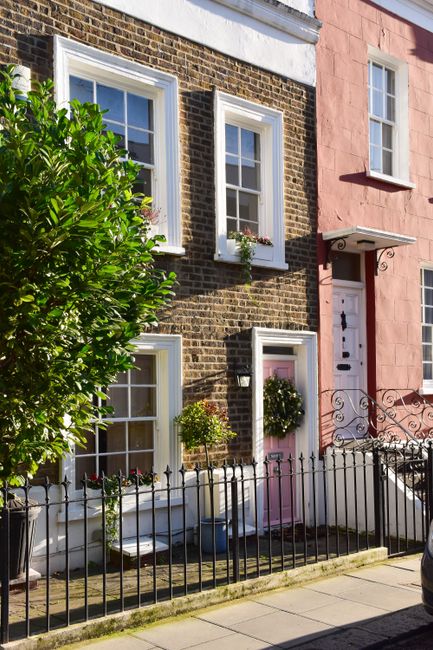
Here is a realistic example drawn from the kind of front garden problem many Westminster homeowners recognise. A compact Pimlico frontage had become a mix of uneven paving, tired evergreen shrubs, and a thin strip of lawn that never seemed healthy. The entrance felt dark and slightly cramped, especially in winter. Visitors had to weave around overgrown edges just to reach the door. Not a disaster, just chronically a bit off.
The solution was straightforward rather than flashy. The old clutter was cleared, the layout was opened up, and the space was divided into a simple structure: a clean path, narrow but defined borders, and a restrained planting palette with evergreen shape and seasonal interest. The lawn was reduced to a smaller, easier-to-manage area, which immediately made the frontage feel more balanced. A careful pruning and shaping pass improved light around the entrance, and the final result looked calmer from the street almost straight away.
What made the difference was not one dramatic feature. It was the stacking of small improvements: better lines, better access, better planting choices, and a maintenance plan that would keep the whole thing looking sane six months later. That is the part people often skip. Then they wonder why the garden loses its shape. Happens all the time.
If you are looking for a similar outcome, the work usually sits across a few service types rather than one isolated task. In practice, that might mean combining landscaping with garden maintenance, and using lawn mowing or hedge trimming to keep the finished look under control.
Practical Checklist
Use this checklist before you start or commission a front garden overhaul in Pimlico:
- Decide whether you need a refresh, partial redesign, or full overhaul
- Check access points, gates, and everyday movement routes
- List the existing features worth keeping
- Identify drainage, soil, and light issues
- Remove dead growth, debris, and unnecessary clutter
- Choose a simple style that suits the building
- Select plants that can cope with the site conditions
- Plan how the space will be maintained after the work is done
- Consider any larger structural or tree-related issues early
- Review safety, payment, and service expectations before work starts
Quick takeaway: the best front gardens are not the busiest ones. They are the ones that look intentional, stay manageable, and fit the house naturally.
Conclusion
A thoughtful front garden overhaul in Pimlico SW1 Westminster is less about showing off and more about making the space work beautifully in everyday life. When the layout is clear, the planting suits the conditions, and the maintenance plan is realistic, the whole frontage feels calmer and more valuable. That is the real win.
Whether your garden needs a light refresh or a more involved transformation, the key is to start with the space as it actually is, not as you wish it were. A good gardener sees the awkward bits, the overlooked details, and the practical limits, then turns them into something clean and coherent. That approach usually gives the best result, and it tends to age well too.
If you are planning your own project, think in layers: clear, shape, plant, protect, maintain. Simple enough to say, of course, but it makes all the difference when done properly.
Get a free quote today and see how much you can save.
And if you are still at the thinking stage, that is fine. A good front garden does not need to be rushed. It just needs a bit of care and a clear eye.
Frequently Asked Questions
What does a front garden overhaul usually include?
It usually includes clearing tired planting, improving the layout, updating borders or paths, refreshing soil, and replanting for a cleaner and more practical result. In some cases, it also involves hedge trimming, lawn work, or light hard landscaping.
How long does a front garden transformation take?
That depends on the size of the space and how much work is needed. A light refresh may be completed quickly, while a full overhaul can take longer because of clearance, preparation, planting, and finishing work.
Is a full redesign always necessary?
No. In many cases, a partial redesign is enough. If the structure is still good, you may only need better planting, cleaner edges, and a maintenance plan. A full overhaul makes sense when the layout itself is failing.
What makes front gardens in Pimlico different from suburban gardens?
Space is often tighter, access matters more, and the frontage needs to suit the building and street scene. The best designs in Pimlico tend to be simpler, more disciplined, and easier to maintain.
How do I keep a new front garden looking good?
Regular weeding, pruning, watering, and seasonal tidying make the biggest difference. A design that is realistic to maintain will always perform better than one that only looks good on day one.
Can I keep my existing plants during the overhaul?
Yes, if they are healthy and fit the new design. Good gardeners often keep the best plants and reshape around them rather than removing everything. That can save money and preserve character.
What if the garden has poor drainage?
Drainage should be addressed before planting or laying new surfaces. Otherwise the redesign may fail early. In some gardens, regrading, soil improvement, or changing the surface material is part of the solution.
Do I need to worry about trees or large shrubs?
Yes, especially if they block light, lift surfaces, or dominate the frontage. Sometimes careful pruning is enough, but larger trees may need a more formal assessment before any work is done.
What should I ask before hiring a gardener for this kind of job?
Ask how they would approach the layout, what they would keep or remove, how they handle waste, what maintenance will be needed afterwards, and how they manage safety and payments. Clear answers are a good sign.
How much maintenance will a redesigned front garden need?
That depends on the style. Low-maintenance schemes still need some care, but usually less than dense or high-feature planting. If you want a neat frontage without constant work, simplicity usually helps.
Is landscaping better than planting alone?
Not always. Landscaping is useful when the space needs structure, access changes, or new surfaces. If the layout is already sound, planting and maintenance alone may be enough. The right answer depends on the condition of the garden.
Where should I start if I am unsure what the garden needs?
Start with a walk-through assessment: note what feels cluttered, what is damaged, what is underused, and what must stay. Then speak to a gardener who can explain whether the job is a refresh, a partial redesign, or a full overhaul.